"I've been reflecting on how we can better leverage our social media platforms. My first thought would be LinkedIn, you tell me! What social media channels do you use to connect with your aquaculture network? "
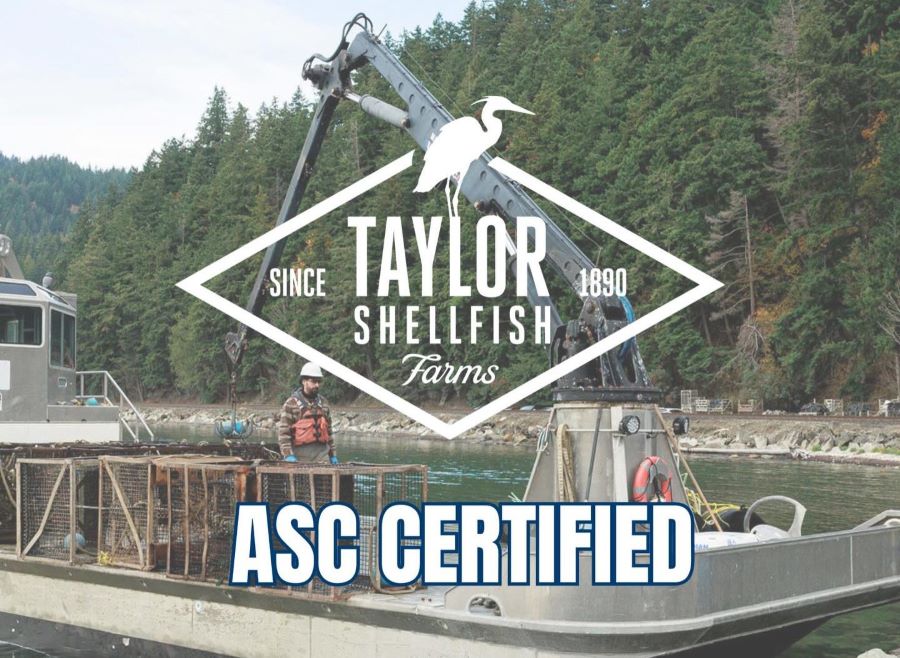
Washington state-based Taylor Shellfish Farms, North America’s largest producer of oysters, has received Aquaculture Stewardship Council (ASC) certification for seven shellfish species, making it the first ASC-certified bivalve farm in the U.S. The seven species...
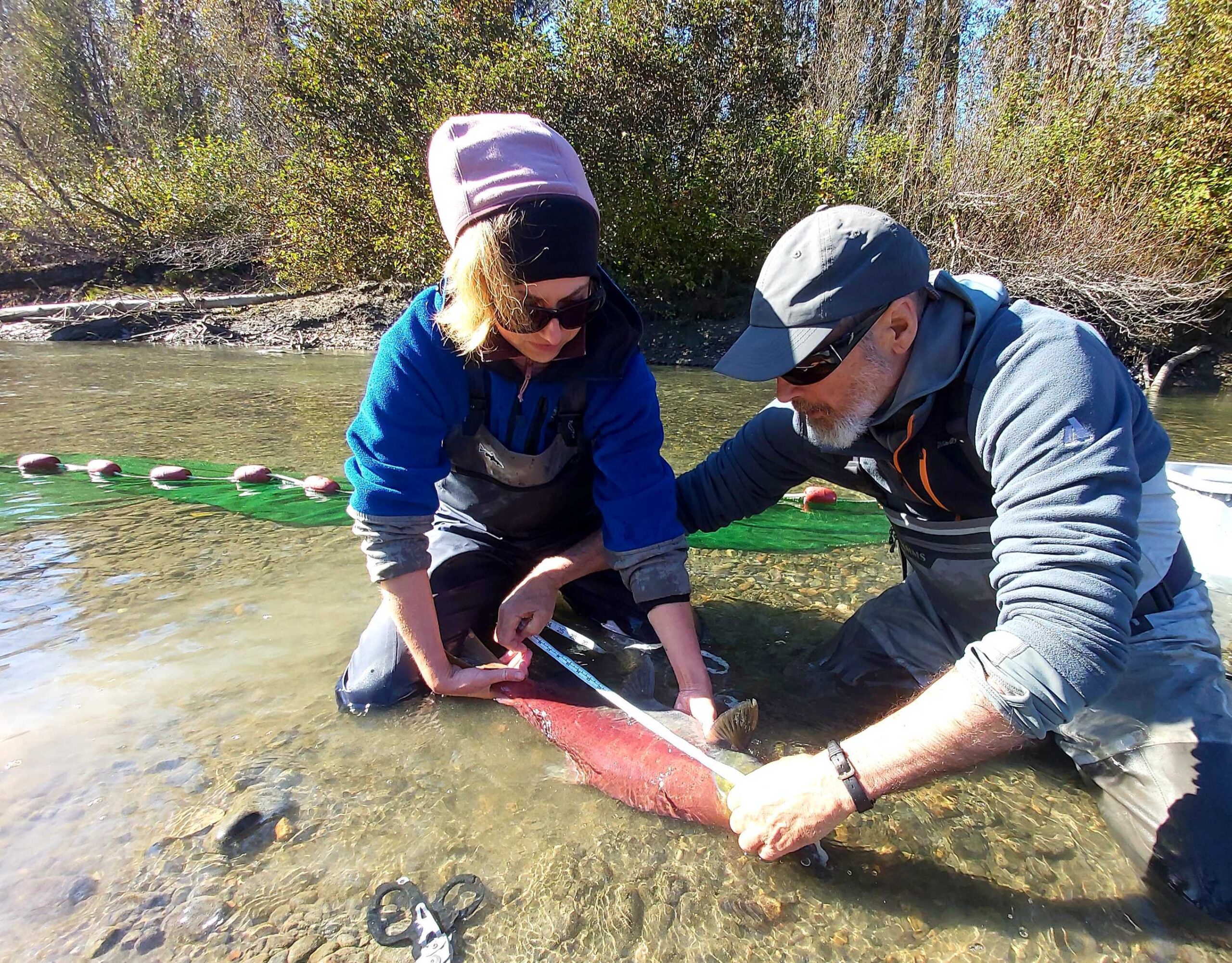
Genome British Columbia (Genome BC) is backing four research projects that aim to understand how ecosystem changes affect fish health and how we can improve conservation and fisheries management. Genome BC is a not-for-profit organization...
Sustainability outcomes such as fish survival rates and responsible feed sourcing are improving for Canadian salmon farmers according to the latest sustainability report from the Canadian Aquaculture Industry Alliance (CAIA). The CAIA published its 2025...
The Mexican government has opened new credit lines for aquaculture producers to finance materials, supplies, equipment, and infrastructure. The National Commission of Aquaculture and Fisheries says the new loans under the Cosechando Soberanía (Harvesting Sovereignty)...
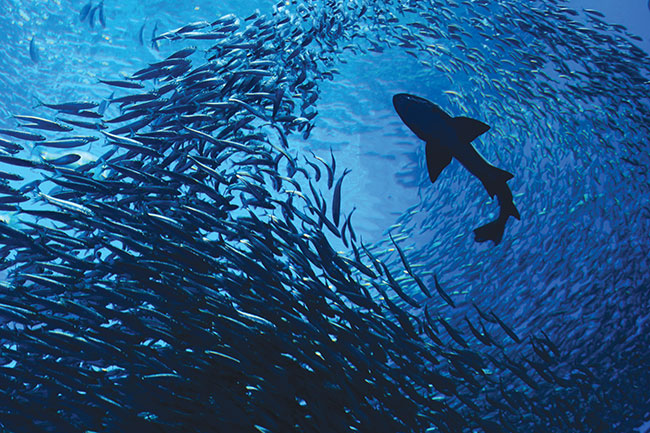
In his latest column, Ben Normand shares a reminder of the power of gathering united in our Canadian aquaculture industry. "The single anchoveta has almost no impact on the outcome of anything. And yet, anchoveta...
There were no surprises for the aquaculture industry when it came to Canada’s federal budget announcement. With a new government elected this year, Prime Minister Mark Carney also announced his first federal budget for 2025-2026...
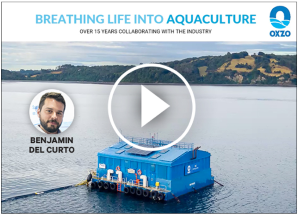
Benjamin Del Curto, Business Development Manager for OXZO Technologies, discusses Autonomous On-Site Oxygen and Aeration Solutions with their patented Oxymar® system. Recorded in 2024 as part of Aquaculture North America’s Aquaculture Technology Webinar Week.
A round up of the latest plant-based aquafeed research in North America, including updates on canola for salmon, soybeans for tuna and other plant-based feed and feed additive developments.
Can certain feed ingredients impart viral immunity to farmed salmon? Answering that question is the focus of a preliminary research project in Eastern Canada that is exploring the use of microbial oil.