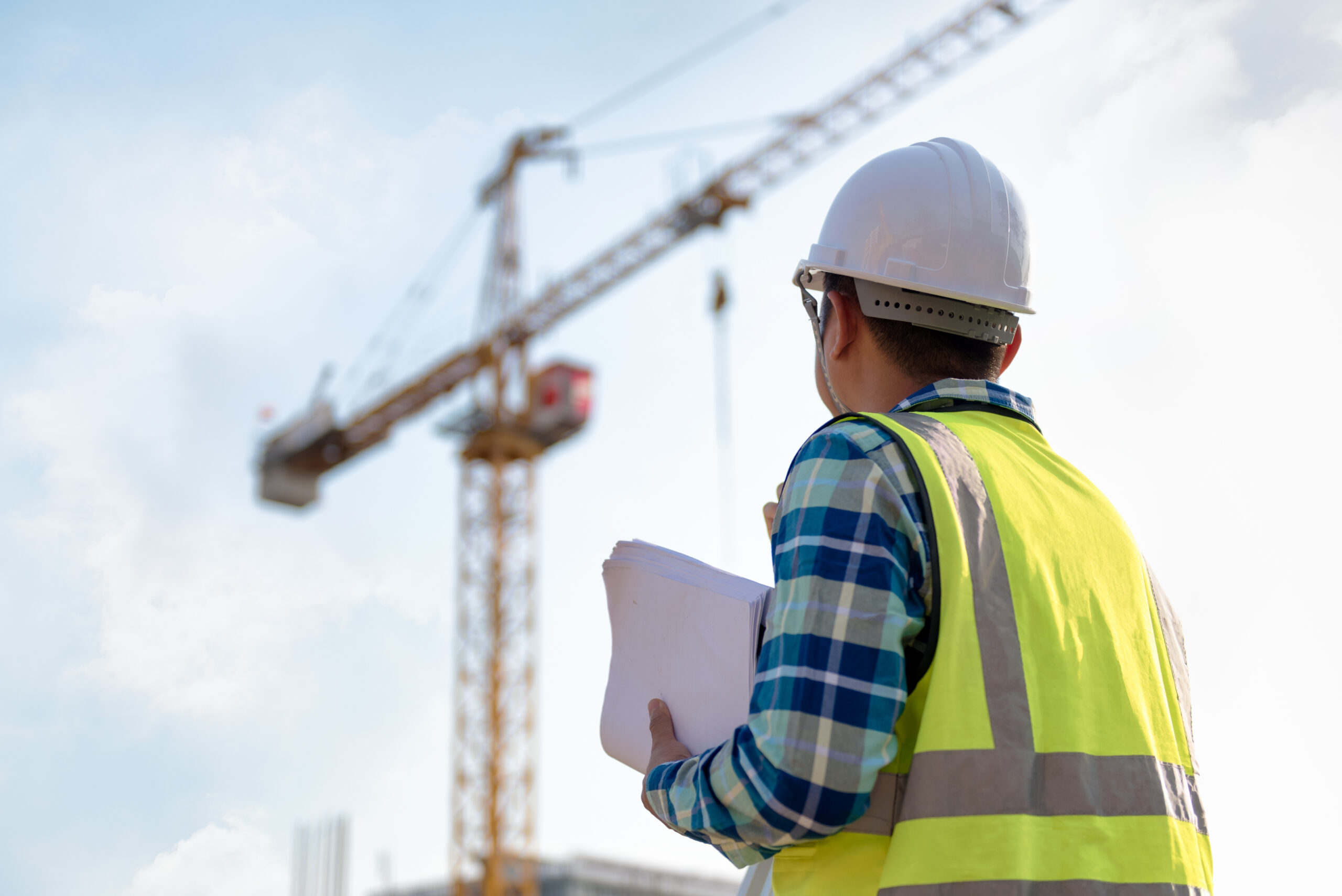
For decades, the fundamentals of safe lifting have revolved around standards, regulations, training, and human judgment. But a new wave of technology – artificial intelligence (AI), automation, predictive analytics, and digital monitoring – is beginning to show its influence.
For owners, operators, and riggers, these developments raise an important question: how do we safely integrate emerging technologies without undermining the hard-earned safety culture our industry depends on?
The answer lies in understanding both the potential and the limitations of AI, and in developing “AI literacy” throughout the workforce.
Where AI and emerging technology are showing up
Artificial intelligence and digital tools are no longer confined to tech companies; they’re becoming fixtures on modern jobsites across a variety of tasks:
Predictive maintenance: Manufacturers such as Konecranes offer cranes equipped with sensors that feed data into AI models. This AI can then forecast when components such as wire ropes, hydraulic systems, or bearings are nearing failure, allowing maintenance to be scheduled before breakdowns, accidents, and downtime occur.
Load path optimization: Liebherr’s Crane Planner 2.0, as well as A1A Software’s 3D Lift Plan, can run thousands of simulations, calculating the safest crane configurations, rigging arrangements, and load paths; suggesting alternatives a human might overlook.
Operator assistance: Anti-collision and zoning systems, load moment indicators, and geofencing features are becoming able to learn from past lifts and adjust alerts.
Remote and semi-autonomous operation: Some manufacturers now offer remote-controlled systems where AI assists with fine movements in tight spaces, such as anti-sway and load control systems.
Wearable tech: While mostly still in the trial phase, it may not be long before helmets with fatigue monitoring sensors and augmented-reality glasses for riggers begin to make their way onto sites.
Cameras: Companies like Crosby, HoistCam, Altacam, and many others have created boom tip, hook block and trolley cameras that feed real-time data to the operator, helping them monitor the hook, rigging, and load while keeping an eye out for obstacles. Several systems feed the data into AI operator assistance programming that detects unauthorized persons and dynamically adjusts the “danger zone” as the crane and load move.
The safety imperative: don’t outsource judgment to AI
While AI can analyze data at lightning speed, it does not replace the training, experience, and intuition of a skilled operator or rigger. This is where the principle of human-in-the-loop comes in.
Regulations in British Columbia (WorkSafeBC Parts 14 & 15) and national standards (CSA Z150, CSA Z248) make it clear: ultimate responsibility for crane operations lies with competent human operators and riggers.
The danger of “automation bias” – the tendency to trust machines over our own judgment – must be guarded against. To safely integrate these tools, crane companies need to invest in more than just hardware and software; they need to develop AI literacy across all levels of their workforce.
For operators: Operators must understand how assistance systems work, what data they rely on, and their limitations. They should know how to override automated inputs when necessary and how to spot false alerts.
For riggers: As lift simulations become more common, riggers need confidence in interpreting digital rigging diagrams and validating them against field conditions. AI can suggest load paths, but the rigger must ensure shackles, slings, and spreader bars are used correctly.
For supervisors and engineers: Supervisors must learn to read predictive maintenance information, interpret AI-generated reports, and integrate that digital information. AI literacy here means knowing when data supports a decision and when it doesn’t.
For safety officers: With wearables and monitoring cameras entering jobsites, safety officers may have to balance technology with privacy rights, ensuring systems meet Canadian workplace safety and privacy regulations.
Change management: bringing crews along
Emerging technology often faces resistance on jobsites. Experienced operators may be skeptical, and younger workers may trust them too much.
- The role of company owners and managers is to set the tone:
- Introduce tools gradually with training and hands-on demonstrations.
- Create feedback loops so operators and riggers can report issues or mistrust in systems.
- Reinforce core safety culture: the crane does not move unless the human team agrees it’s safe, regardless of what the computer says.
A balanced future
The crane and rigging industry is unlikely to ever see fully autonomous lifts become the norm. The complexity, risk, and human judgment involved are too great. But AI and emerging technology will continue to influence how we plan, monitor, and manage lifting operations.
By developing AI literacy, maintaining human oversight, and embedding safe practices into adoption, crane companies can position themselves to benefit from these advances without compromising safety.
In the end, technology should serve the industry, not the other way around. The operator’s hands on the controls, the rigger’s eyes on the load, and the supervisor’s judgment on the plan will always be the foundation of safe crane operations.
AI can make us sharper, faster, and better informed, but only if we remain the final decision makers.
Trenton Grover is a field OHS advisor for BC Crane Safety.