The strength of a structure lies in its foundation. Without a strong base, the entire building is at risk. And even though a house may have initially been built with a sufficient base, foundation repair is occasionally unavoidable.
Foundation problems are most commonly a result of soil conditions. Over time, foundations crack and shift, visibly damaging properties. Visual indicators on a house include misaligned doors, cracks in sheetrock and brick separation. Other signs include warped framing, plumbing breaks and tilting chimneys. Foundation repair is best done at the first sign of damage.
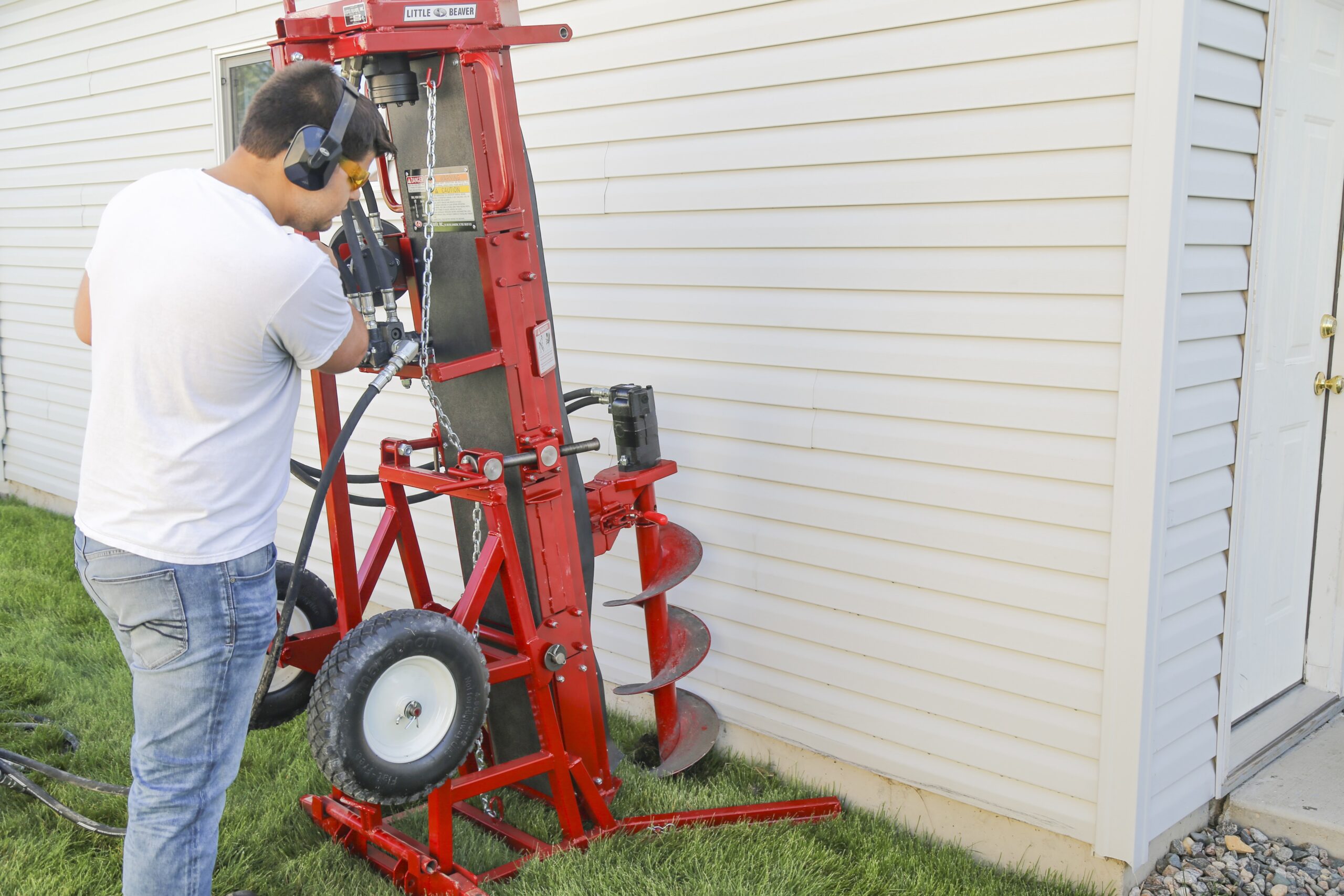
While there are many practices and methods of foundation repair, one thing’s certain: if not done correctly, it can cause expensive problems down the line. Auger drill rigs can make the most common foundation repair method easier by quickly removing dirt to prepare for concrete piers.
The Fine Art of Foundation Repair
Steel and concrete pier supports are popular for repairing foundations because they result in minimal landscape interruption and can be installed faster than other methods. Concrete piers can withstand higher load capacities and tend to be less expensive than their steel counterparts.
The concrete pier foundation repair method requires contractors to push six-inch round concrete sections directly into the ground. But first, the crew must remove dirt to prepare for the foundation pier. Hand-digging holes can result in little landscape interruption but is much harder on workers. Large equipment options like a mini excavator are less labour-intensive but can result in a torn-up yard and increased project costs.
The Auger Drill Rig Advantage
When installing a drilled concrete pier, hard-working employees are key but so is finding pieces of machinery that are perfect for the job. Crews can use some auger drill rigs with a 12-inch auger to drill a hole anywhere from 12 to 15 feet deep. Depending on the structure and soil conditions, the angle of the pier can range from 10 to 15 degrees. Look for a standing drill rig with the ability to align in any position from vertical, which is critical to the installation process. The drill should also have flexible positioning to allow users to get close to structures.
Contractors should ensure their auger drill rig has enough torque to bore through any soil type. Look for a drill that penetrates the soil quickly and still offers safe one-man operation. Contractors should also look for an auger drill rig that can be moved into areas that are inaccessible to truck-mounted units while also leaving landscaping relatively unscathed. Some models can fit through doorways and gates and can be operated under eaves or in interior locations.
An auger drill rig is a great option for making quick work of preparing for concrete foundation piers. Just like a house needs a strong foundation, a contractor needs strong equipment, and an auger drill rig works to support both.
Little Beaver has been proudly manufacturing quality, safe and productive drilling equipment for three generations.