View As Webpage | View Archives
|
|
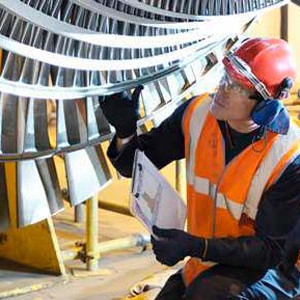
Kalrez® polymer chains are engineered to be one of the most inert polymer structures available, standing more than 1,800 different chemicals, while offering high temperature stability. Kalrez® offers a consistent cure rate, precise traceability and one of the longest, most highly predictable lifespans in the industry. From aerospace, transportation and chemical processing to chip manufacturing and oil and gas applications, Kalrez® is engineered to provide more stability, more resistance and more effective sealing. Period.
» Learn More |
|
|
|
|
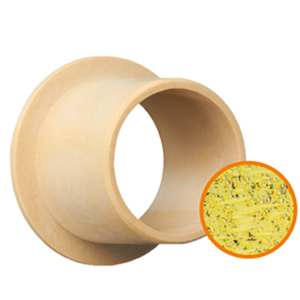
A rapidly growing number of industries are replacing traditional metal bearings with engineered composite plastic materials – but why? Would this switch benefit your application too? Read this eBook to learn about the material makeup of self-lubricating plastic bearings, common misconceptions, their advantages over metal, and more!
» Learn more |
|
|
|
|
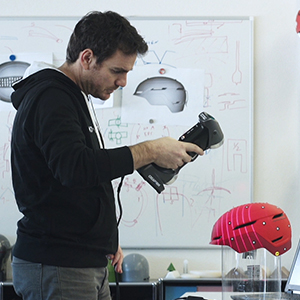
Product development is essential to innovate, offer new benefits to customers, and bring in new ones. Development teams need to go through multiple phases of product lifecycle management (PLM) to meet their objectives. This guide will help you understand the 4 phases of PLM, highlight the essential steps, know where 3D scanning can improve and simplify work, and illustrate the process with a concrete case as well.
» Learn more |
|
|
|
|
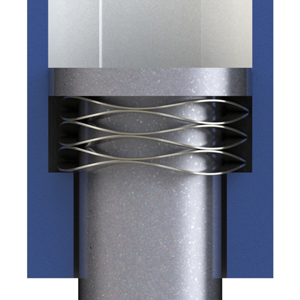
Tried and true coil springs and disc springs work well in many engineering applications. However, it pays to compare these familiar options to another innovative spring design—flat-wire wave springs. Depending on the application, single- and multi-turn wave springs can offer distinct advantages over their more traditional counterparts.
» Learn more |
|
|
|
|
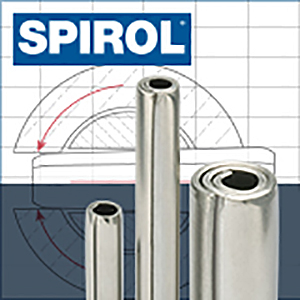
Lateral movement of installed pins, commonly referred to as 'walking’, can occur with any pin in a dynamic application if proper design guidelines are not followed. Although any kind of pin can walk, the causes may be different for each style. This White Paper will address common causes for lateral movement and offer design guidelines to avoid the condition.
» Learn more |
|
|
|