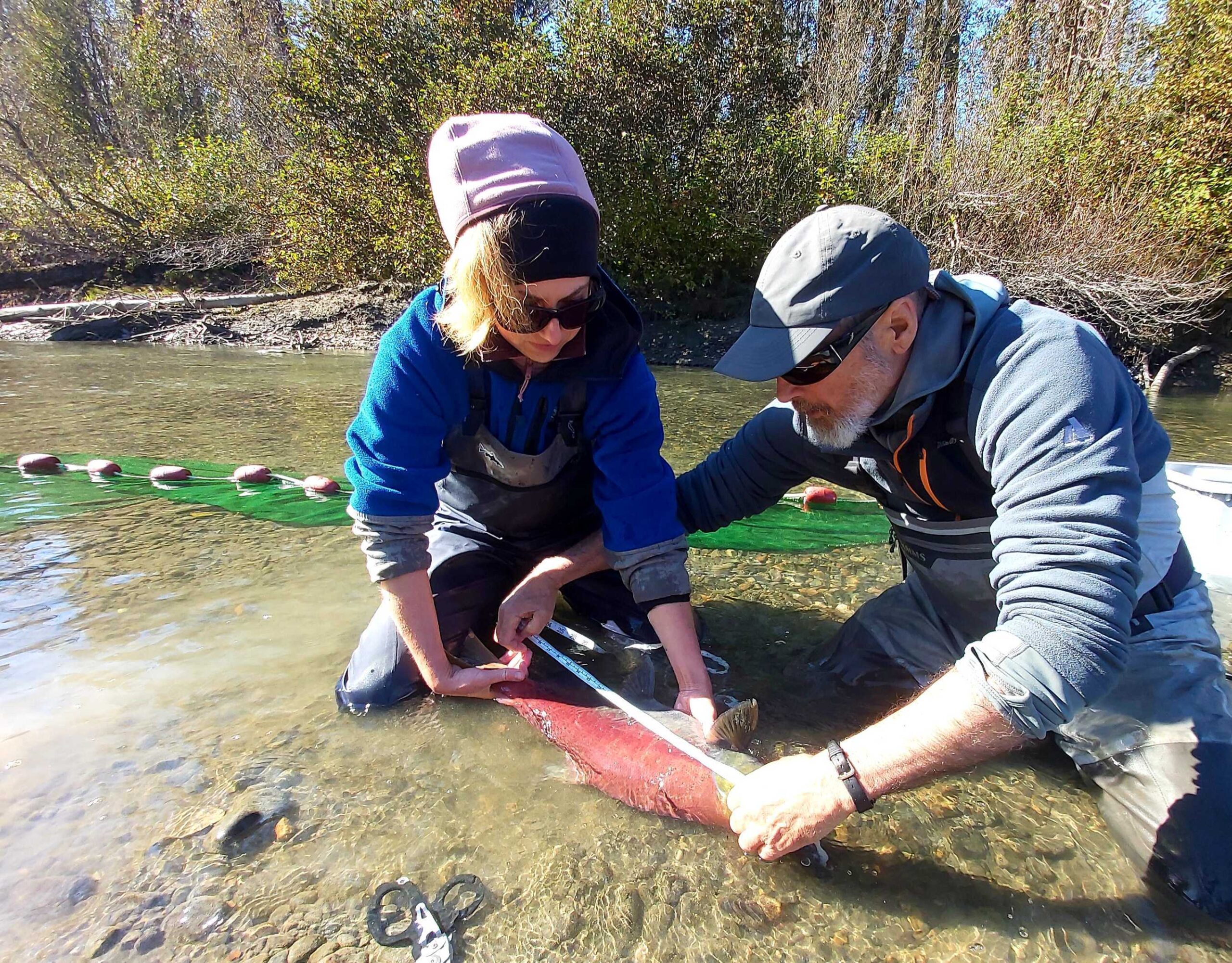
Genome British Columbia (Genome BC) is backing four research projects that aim to understand how ecosystem changes affect fish health and how we can improve conservation and fisheries management. Genome BC is a not-for-profit organization...
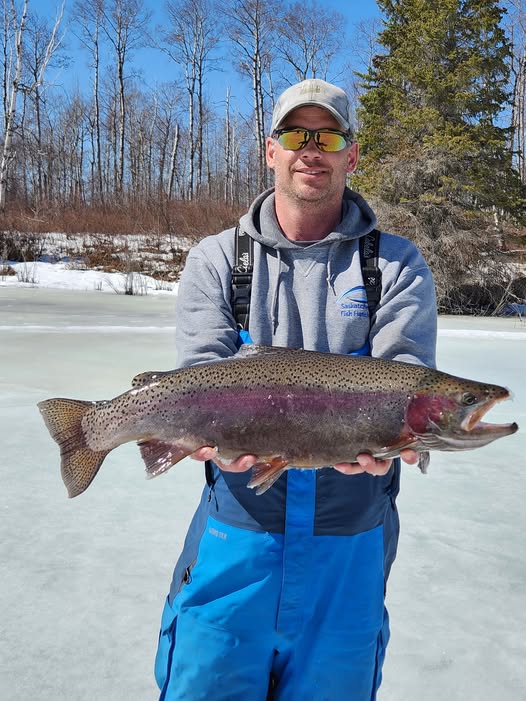
Saskatchewan’s provincially run hatchery in Fort Qu’Appelle has released its annual guide listing the fish numbers and bodies of water that were stocked during the season. The Saskatchewan Fish Hatchery produces cold and cool water...
Rapid River Fish Hatchery near Riggins, Idaho, has lost about one third of its annual production of spring Chinook salmon – roughly 1.2 million fry – due to an oxygen pump failure in the early...
Zimbabwe is looking to unlock its tilapia farming potential with the launch of its Fish Hatchery Management Guidelines. The guidelines are the first of its kind to co-ordinate and harmonize policies and legislation to guide...
Water is the lifeblood of aquaculture. Whether flowing through tanks, ponds, raceways, or recirculating systems, the quality and stability of incoming water determine the health, growth, and survival of cultured species. Yet, as climate change...
Following last year’s success, the New Projects session returns to RAStech 2026. This is your chance to showcase your innovation to an audience of RAS professionals, suppliers, and investors from around the world who can help accelerate your business growth.
As the industry strives for more environmentally friendly practices and reduced operational costs, scientists are looking beyond conventional feed sources. This search is leading to some surprising discoveries, from common pond pests like snails to...
Feed is a broad umbrella under which falls a lot of criteria that we need to be mindful of in order to ensure optimal growth of our larvae. These criteria need to be adjusted to...