From field to feed: Growing healthy forages
͏ ‌      ͏ ‌      ͏ ‌      ͏ ‌      ͏ ‌      ͏ ‌      ͏ ‌      ͏ ‌     ͏ ‌      ͏ ‌      ͏ ‌      ͏ ‌      ͏ ‌      ͏ ‌      ͏ ‌      ͏ ‌     ͏ ‌      ͏ ‌      ͏ ‌      ͏ ‌      ͏ ‌      ͏ ‌      ͏ ‌      ͏ ‌     ͏ ‌      ͏ ‌      ͏ ‌      ͏ ‌      ͏ ‌      ͏ ‌      ͏ ‌      ͏ ‌     
About Us

EDITOR'S NOTE

"This special edition brings to you a curated blend (no pun intended) of articles and podcast episodes to provide useful tips, research insights and more for growing forages."

Editor's Image

Jill Filmer, east editor

Preparing Your Crop Rotation for a Successful Forage Plan

Review crop rotations now to ensure ample forage for winter and future seasons. Smart planting choices can replenish and sustain your forage supply.

Learn more

Agronomic tips and tricks

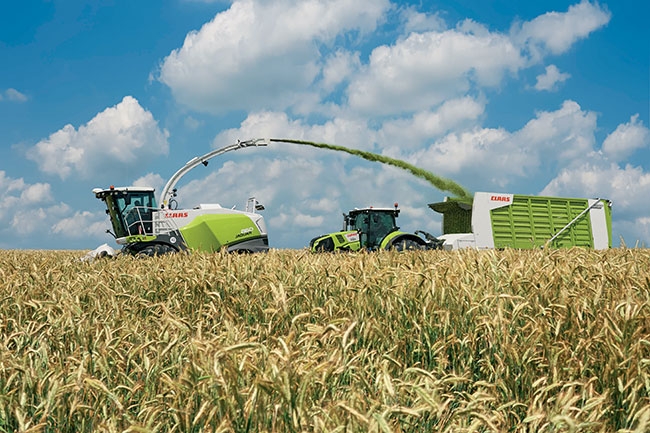
OMAFA: Filling forage gaps with triticale

Selecting the right annual forage crop starts with deciding when the feed is needed. Winter cereals offer more options for when and how to harvest than other annual crops.

Read more

OMAFA: Processing forages for better beef cow performance?

Although forage choppers and bale processors are not new technologies, there is a surprising lack of data in how they can benefit beef cow performance. This University of Guelph study took a deeper dive.

Read more

Preparing Your Crop Rotation for a Successful Forage Plan

Review crop rotations now to ensure ample forage for winter and future seasons. Smart planting choices can replenish and sustain your forage supply.

Read more

OMAFA: Considerations for forage crop harvest

If you're thinking of one final cut to your forage crop, the crop specialists at the Ontario Ministry of Agriculture, Food and Agribusiness (OMAFA) have a few recommendations to help preserve yield and quality.

Read more

Features

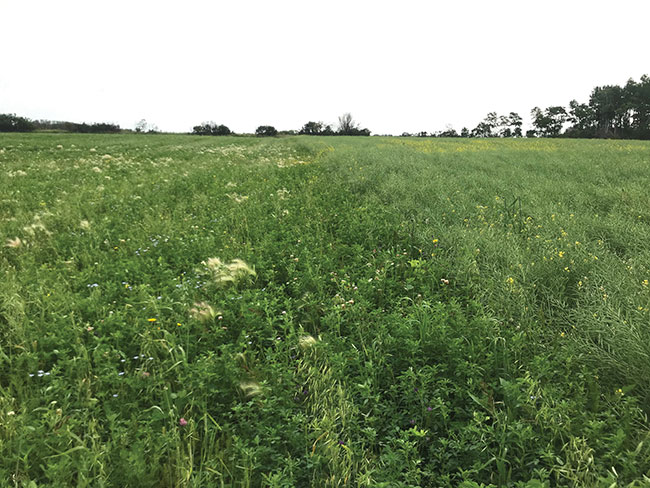
Restoring marginal land with forages

A range of benefits follows planting forages in marginal areas damaged by compaction, erosion or salinity issues.

Read now

A fresh look at fertilizer rates for Ontario forages

Improving nutrient-use efficiencies could help forage growers to sustain yields while reducing fertilizer inputs – and that makes sense economically and environmentally.

Read now

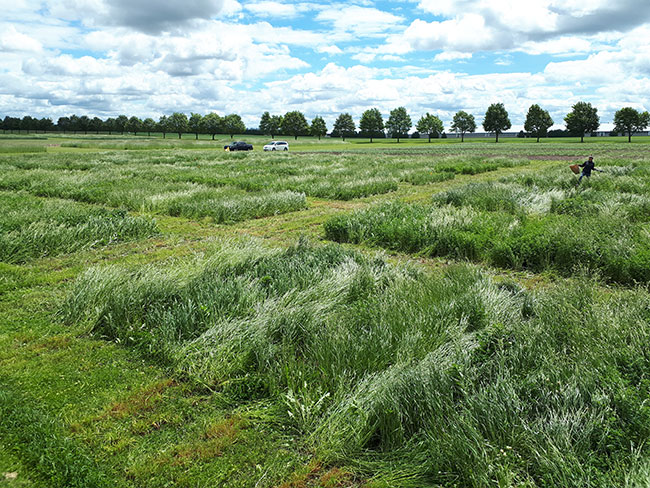
A big boost for bromegrass breeding

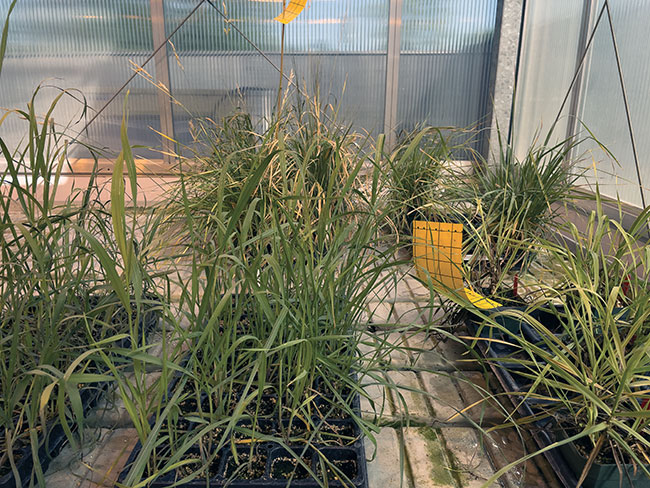
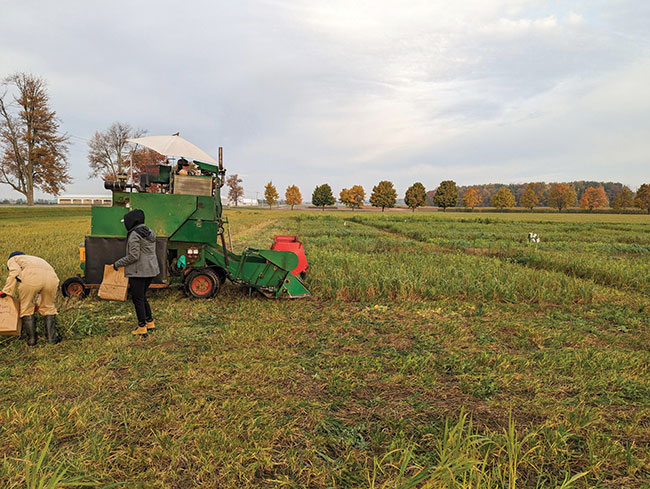
In many crops, genomic resources are powering greater advances in varietal improvement. However, development of such resources for bromegrass crop species has been hindered because these species have very large, very complex genomes.

Read more
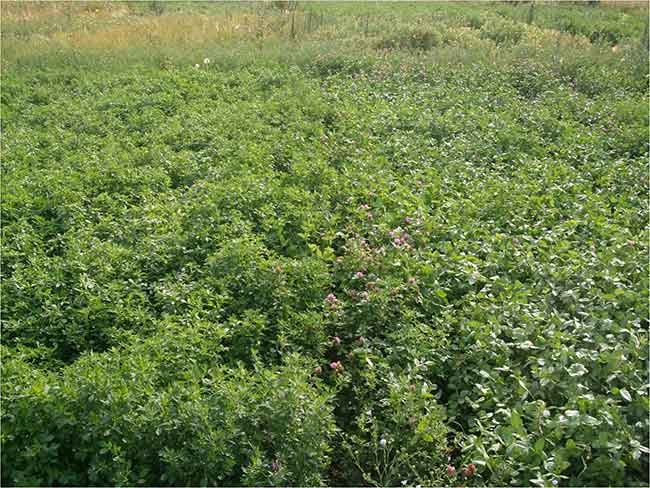
Legume-based cover crop opportunities

This University of Guelph project is assessing options, like use as forages, to make cover cropping more economically attractive in the short term.

Read more

Listen and learn

If you click any ad links, we may provide your contact information (not your email) to that advertiser or sponsor.
P.O. Box 530, 105 Donly Drive S,
Simcoe, ON, Canada N3Y 4N5
Customer Service: Tel 1-800-668-2374
Annex Business Media