|
Canada’s wildfire landscape is changing. Longer fire seasons, drought conditions and repeated evacuations across British Columbia, Alberta, and the Northwest Territories have made wildfire response one of the country’s most complex emergency management challenges. Millions of hectares have burned over recent seasons, and communities have faced recurring evacuation alerts that highlight the increasing scale and unpredictability of wildfire activity.
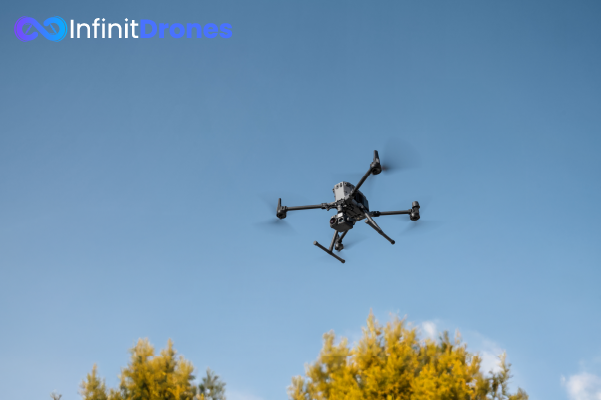
Unmanned aerial vehicles (UAVs) are becoming increasingly relevant in this environment, particularly at the command and procurement levels. From thermal reconnaissance in wildland-urban interface (WUI) zones to hotspot validation on containment lines, UAVs complement existing aviation and ground operations. They help track fire spread, locate hotspots, and provide high-resolution imagery directly to incident command teams, improving situational awareness during fast-moving incidents.
|