|
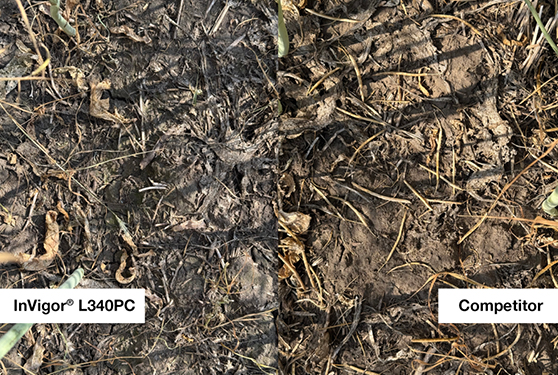
For canola growers, pre-harvest losses are a subtle but significant challenge that can quietly impact profitability season after season. Two of the most common culprits behind these late-season losses are pod shatter and pod drop. These are natural plant processes that serve an evolutionary purpose, but when left unmanaged, they can translate into substantial reductions in yield.
Understanding pod shatter and pod drop starts with recognizing them as natural mechanisms of the canola plant itself. Pod shatter happens when the pod’s two valves, or halves, split prematurely and release seed on to the ground. Pod drop, on the other hand, happens when entire pod detaches fully intact at the pedicel, or stem junction, often without splitting. In any case, these losses translate to reduced yield and lost revenue. Thankfully, modern breeding techniques exist to help prevent both pod shatter and pod drop in canola fields.
|